




Bubble studies haven’t changed in 60 years.
Today’s bubble studies can vary in diagnostic value due to a number of factors outside of the control of cardiac sonographers. The lack of a unified solution for bubble studies presents significant issues with quality and consistency of images and can pose safety risks to patients. Poor quality images can mean missed or inaccurate diagnoses or repeat studies.

Why do bubble studies still take two people?
They also require two staff members to manually agitate and inject the bubbles, direct the patient and capture images. This process is inefficient and resource intensive, taking up to 25 additional minutes per study. ¹

There has to be a better way.
Agitated Solutions, Inc. (ASI) has developed a solution designed to reduce the workflow burden to sonographers by:
Eliminating the need for saline agitation
Providing consistent quality bubbles
Allowing for one sonographer to administer the study, while conducting the imaging

Would You Close This?
General Cardiologists, Interventional Cardiologists and Stroke Neurologists Debate PFO Closure and Interpretation of Bubble Studies
Nov. 17, 2026 at 7 pm CT
General cardiologists, interventional cardiologists, and stroke neurologists don't always agree on when a PFO should be closed, and this webinar puts that disagreement on stage. Micah Eimer, MD, Keith Benzuly, MD, Fran Caprio, MD, and Kameswari Maganti, MD bring their different specialties to a live debate over bubble study interpretation and PFO closure decisions, working through the diagnostic challenges bubble studies present and how imaging data, RoPE/PASCAL scores, and clinical gestalt come together to manage stroke patients with a PFO. Attendees will watch a genuine multidisciplinary perspective in action, not a rehearsed consensus.
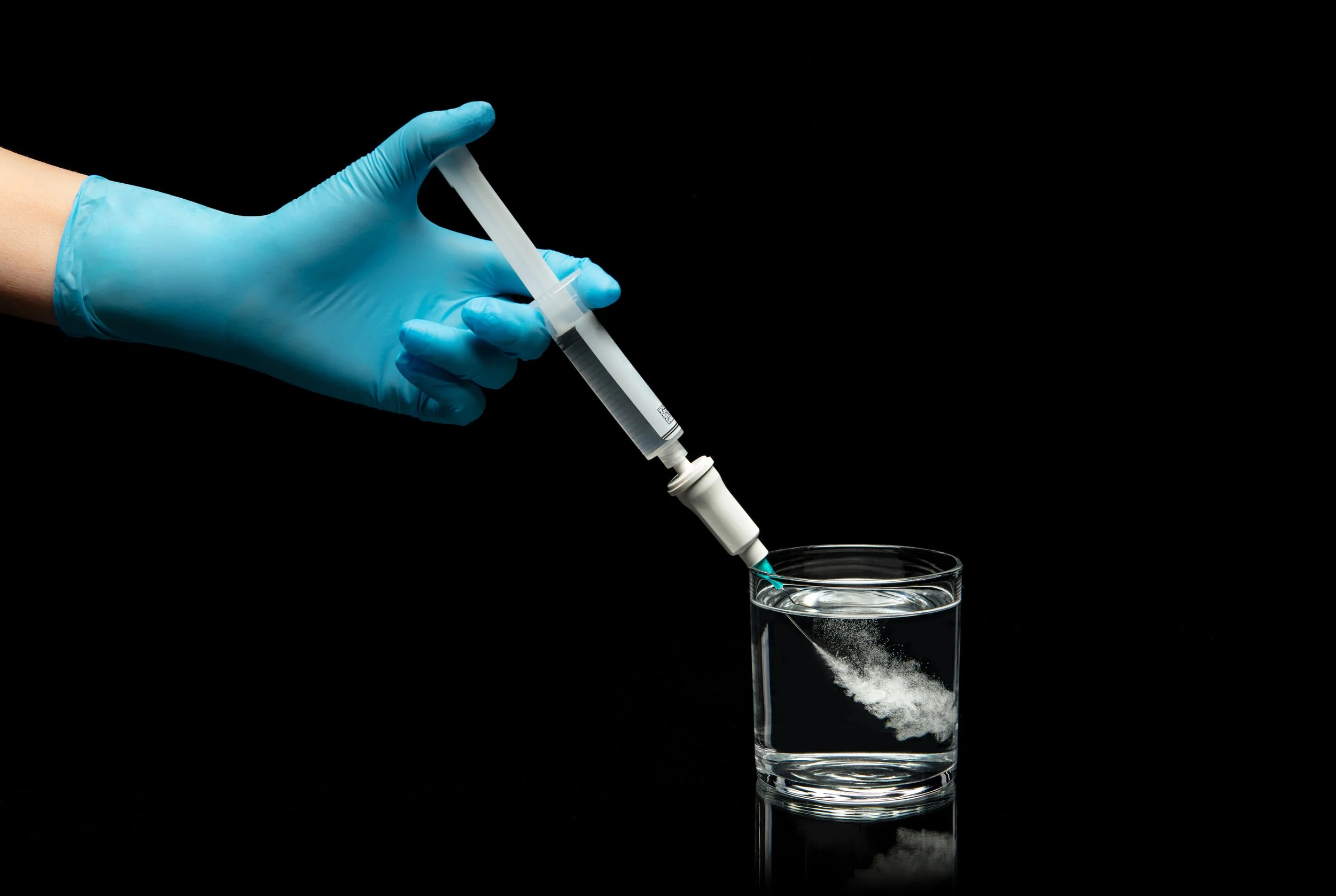
Clinical Trials Underway
Our novel contrast agent (ASI-02) is the subject of an investigational clinical trial in the United States entitled “A phase 3, open-label, multicenter, randomized crossover trial comparing the safety and efficacy of ASI-02 to agitated saline for suspected right-to-left shunt (ENHANCE)”. The ENHANCE study aims to evaluate participants age 18 or older who are undergoing a transthoracic echocardiography (TTE) with agitated saline contrast in a cardiac bubble study to opacify the right heart and aid in the detection of right-to-left shunts.
Explore today
This novel saline microbubble contrast agent is commercially available in Canada and the EU. For more information, visit www.agitatedsolutions.ca.
1 Hu J, Lee AY, Nakagawa K, Vu K, Khan ZR, Tanoue M. Yield of Echocardiography with Bubble Studies Among Acute Ischemic Stroke Patients. J Clin Med. 2024 Oct 31;13(21):6555.